LifeWatch ERIC: Europe's e-infrastructure for biodiversity research
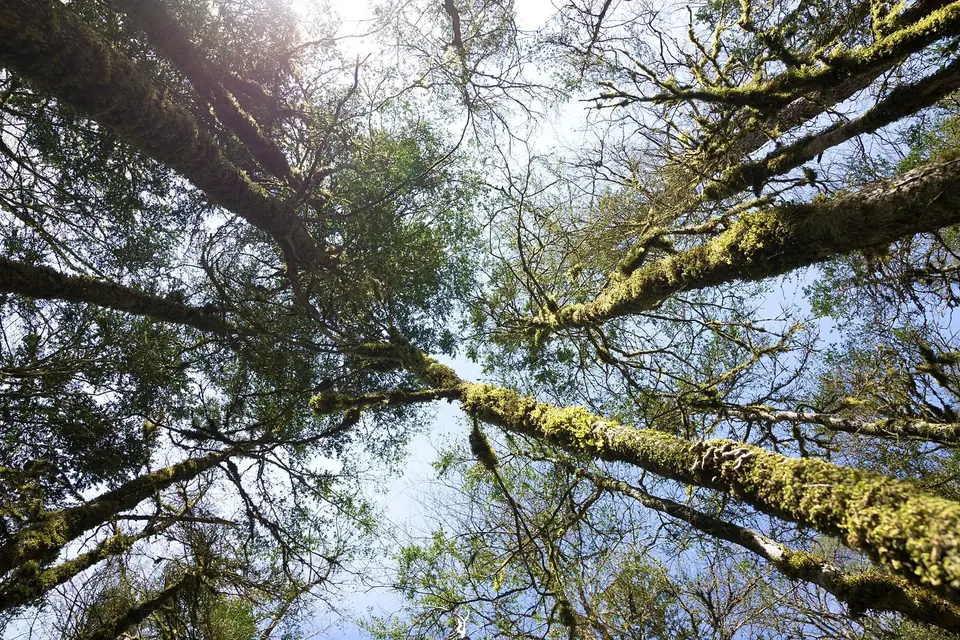
Biodiversity research has a data problem. Observations of species and ecosystems are scattered across museums, field stations, citizen science platforms, satellites and thousands of individual projects. LifeWatch ERIC is the European research infrastructure built to make those data, and the tools to analyse them, work together.
What an ERIC is
ERIC stands for European Research Infrastructure Consortium, a legal form created by Council Regulation (EC) No 723/2009. It allows several countries to set up a joint research infrastructure with its own legal personality, recognised in all EU member states, without negotiating a new international treaty each time. An ERIC is established by a decision of the European Commission at the request of the founding members, and it operates under statutes that set out its seat, members, governance and funding.
The form was designed for facilities that are distributed or "virtual" as much as for single buildings. Several of Europe's major research infrastructures in social sciences, life sciences and environmental sciences now use it.
LifeWatch ERIC in brief
- Established: by Commission Implementing Decision (EU) 2017/499, in 2017, after a long preparatory phase on the European roadmap for research infrastructures (ESFRI).
- Statutory seat: Seville, Spain.
- Common facilities: distributed across three member states: Spain (statutory seat and ICT core), Italy (Service Centre, in Lecce) and the Netherlands (Virtual Laboratories and Innovations Centre).
- Members: a group of European countries, each of which also organises a national LifeWatch node linking its own research institutions. The current list is on the LifeWatch ERIC website.
What it actually provides
LifeWatch is an e-infrastructure: its core assets are data services, software and computing rather than laboratories. Its offer to researchers can be grouped into four kinds of service.
Data access and integration
Catalogues and services that make biodiversity and ecosystem data findable and combinable, using community standards so that datasets from different sources can be merged. This builds on, and connects to, global networks such as the Global Biodiversity Information Facility (GBIF).
Virtual research environments
Online workspaces where scientists can run analytical workflows, for instance species distribution models or analyses of ecological time series, without installing software or moving large datasets.
Semantic resources
Thesauri and ontologies that give biodiversity terms consistent machine-readable meanings. They are less visible than a data portal, but without them automated integration across languages and disciplines fails.
Thematic communities
Groups of researchers working on shared challenges, such as invasive alien species, freshwater ecosystems or marine biodiversity, who co-develop the tools they need.
Why biodiversity needs shared infrastructure
Three features of the field make pooled infrastructure especially useful:
- Scale. Ecological processes cross borders. A migratory bird, a river basin or an invasive species cannot be studied within one national dataset.
- Time. Detecting change requires long, consistent series of observations. Projects end after a few years; infrastructures are meant to last.
- Heterogeneity. Data range from DNA sequences to satellite images and field counts. Combining them is a technical discipline in its own right.
Links to the Sustainable Development Goals
The most direct links are to the two "nature" goals:
| Goal | Relevant targets | Where research infrastructure helps |
|---|---|---|
| SDG 15, Life on land | 15.1 (conservation of terrestrial and freshwater ecosystems), 15.5 (halt biodiversity loss), 15.8 (invasive alien species) | Species and habitat data, distribution models, early warning on invasive species |
| SDG 14, Life below water | 14.2 (protect marine and coastal ecosystems), 14.a (scientific knowledge and research capacity) | Marine biodiversity data and analysis services |
| SDG 13, Climate action | 13.3 (knowledge and capacity on climate change) | Analysis of how species ranges and ecosystems respond to climate change |
| SDG 17, Partnerships | 17.6, 17.18 (data availability) | Open, standardised data shared across countries |
Biodiversity also has its own global framework. The Kunming-Montreal Global Biodiversity Framework, adopted under the Convention on Biological Diversity in December 2022, sets goals and targets for 2030 and 2050, including the "30 by 30" target to conserve at least 30% of land and of coastal and marine areas. Monitoring progress towards such targets relies on exactly the kind of interoperable data that infrastructures like LifeWatch, GBIF and national biodiversity observation networks produce. Science-policy bodies such as IPBES draw on the same evidence base for their assessments.
Limits and open questions
- Geographic gaps. Biodiversity data are densest in Europe and North America, while many of the most species-rich regions are under-sampled. A European infrastructure can help through partnerships, but it cannot close that gap alone.
- Sustainability of funding. ERICs rely on member contributions. Services that researchers depend on need stable budgets beyond project grants.
- Use by decision-makers. Data portals are built for scientists. Turning them into indicators that ministries and conservation agencies can use is a separate, ongoing task.
Where to go next
- LifeWatch ERIC, official website.
- ESFRI, the European Strategy Forum on Research Infrastructures, which publishes the roadmap.
- European Commission page on ERICs, with the list of established consortia.
Related explainers: the Square Kilometre Array and Earth observation from space.
 Research infrastructures
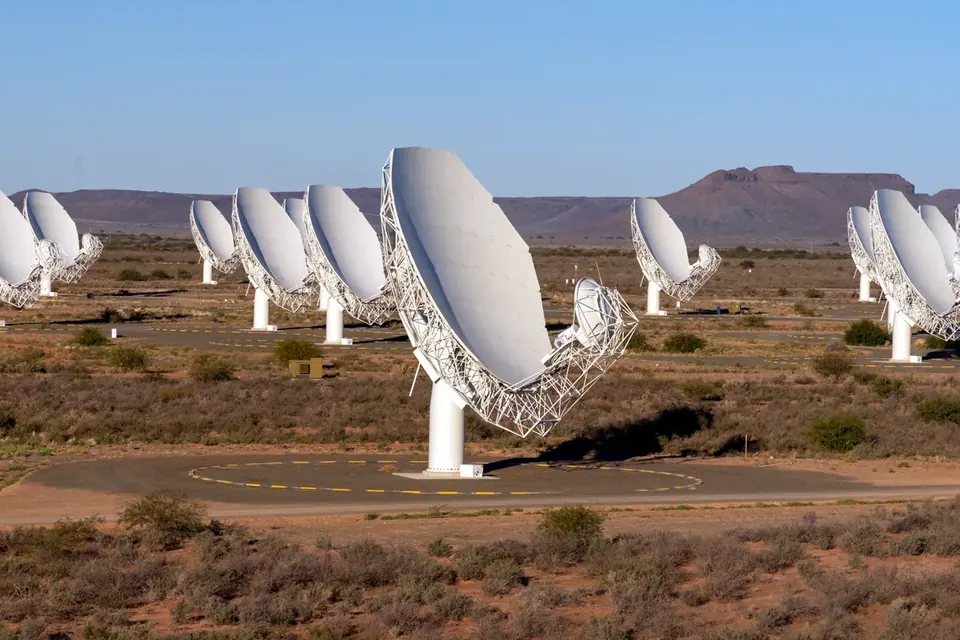
The Square Kilometre Array
Two radio telescope arrays on two continents, one treaty organisation, and a data challenge that reshapes shared computing.
 Research infrastructures
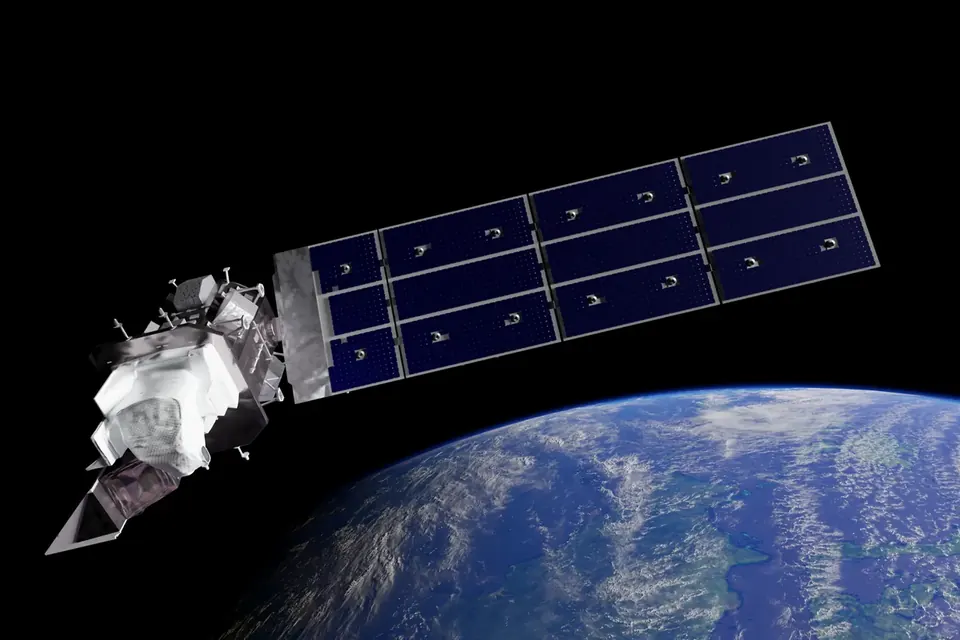
Space technology and the SDGs
Earth observation, navigation and communications satellites, the UN framework behind them, and the risks of crowded orbits.
 Cooperation and skills
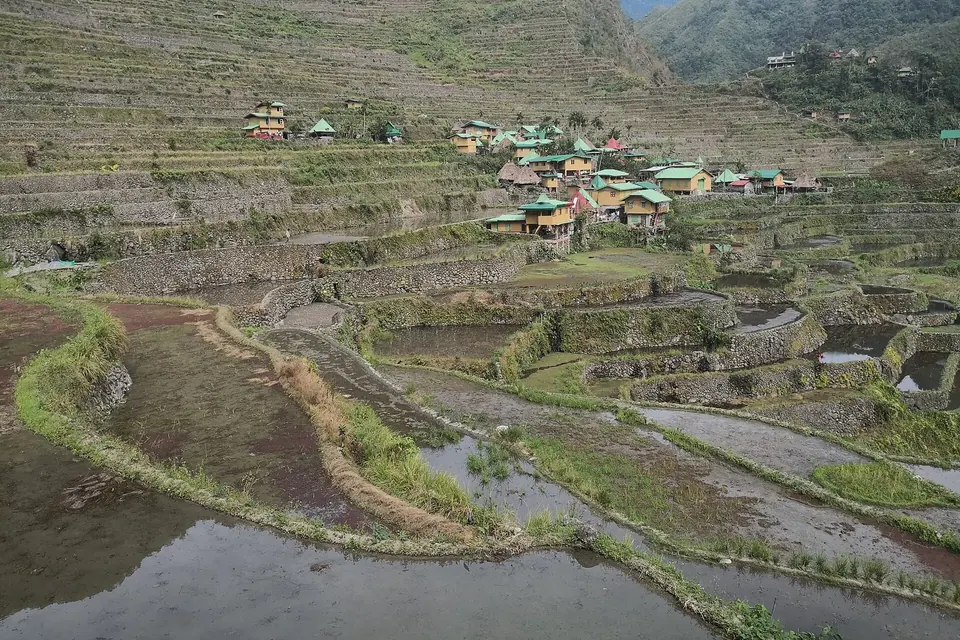
Research and innovation in agri-food systems
Why food systems research is central to SDG 2, how international agricultural research is organised, and the trade-offs it raises.