Research infrastructures
Telescopes, biodiversity networks, satellites and genome centres: the shared tools of global science.
- Argo: the robotic floats that take the ocean's temperature, and the cooperation behind them
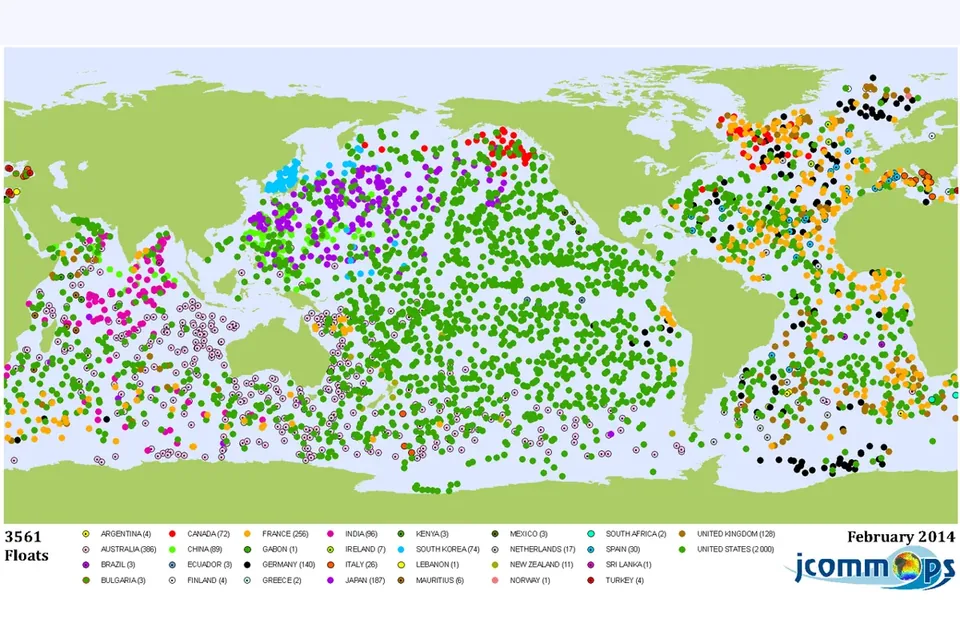
How the Argo programme's profiling floats measure temperature and salinity down to 2,000 metres, how some thirty countries fund and run the array without a central budget, why its data are free within hours, how floats drifting into national waters are handled, and what Argo contributes to SDGs 13 and 14.
- GBIF: how billions of species records are shared worldwide, and where the map is still blank
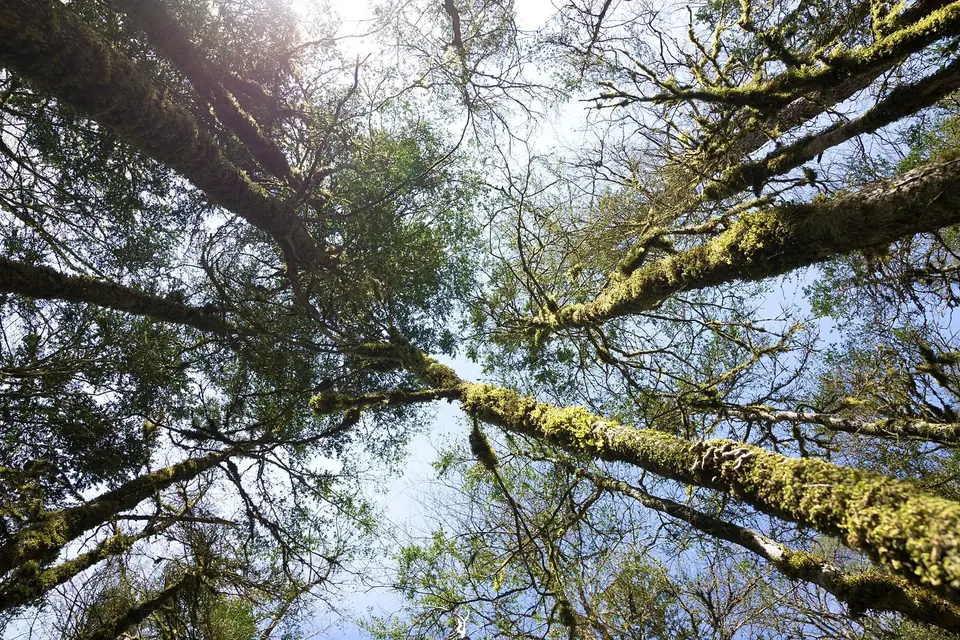
What the Global Biodiversity Information Facility is, how museums, research projects and citizen scientists publish species occurrence data through it, what the 3.9 billion records contain, and why their uneven geography matters for SDGs 14 and 15 and the Kunming-Montreal biodiversity framework.
- How space technology supports the Sustainable Development Goals
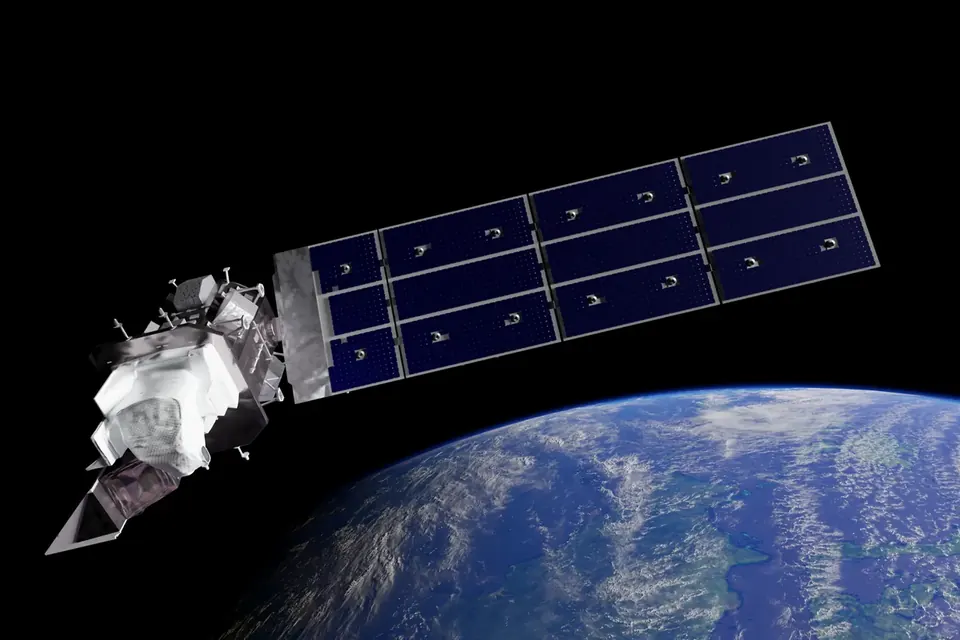
An explainer on space and the SDGs: Earth observation, satellite navigation and communications, the UN bodies and agreements involved, the Space2030 Agenda, and the risks that come with crowded orbits.
- LifeWatch ERIC: Europe's e-infrastructure for biodiversity research
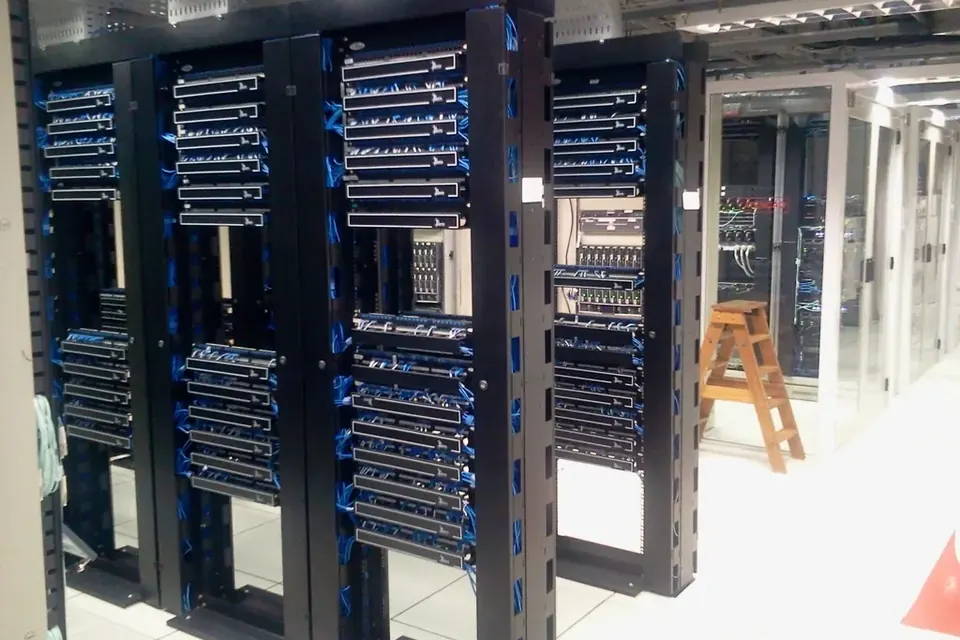
What LifeWatch ERIC is, how a European Research Infrastructure Consortium works, what services it offers to biodiversity and ecosystem scientists, and how it relates to SDGs 14 and 15.
- SESAME: the synchrotron in Jordan that brings rival governments into one laboratory
What SESAME is, how a synchrotron light source works and what its beamlines are used for, how a UNESCO-backed project became an autonomous intergovernmental laboratory shared by Cyprus, Egypt, Iran, Israel, Jordan, Pakistan, Palestine and Türkiye, and what it shows about research infrastructures and SDG 17.
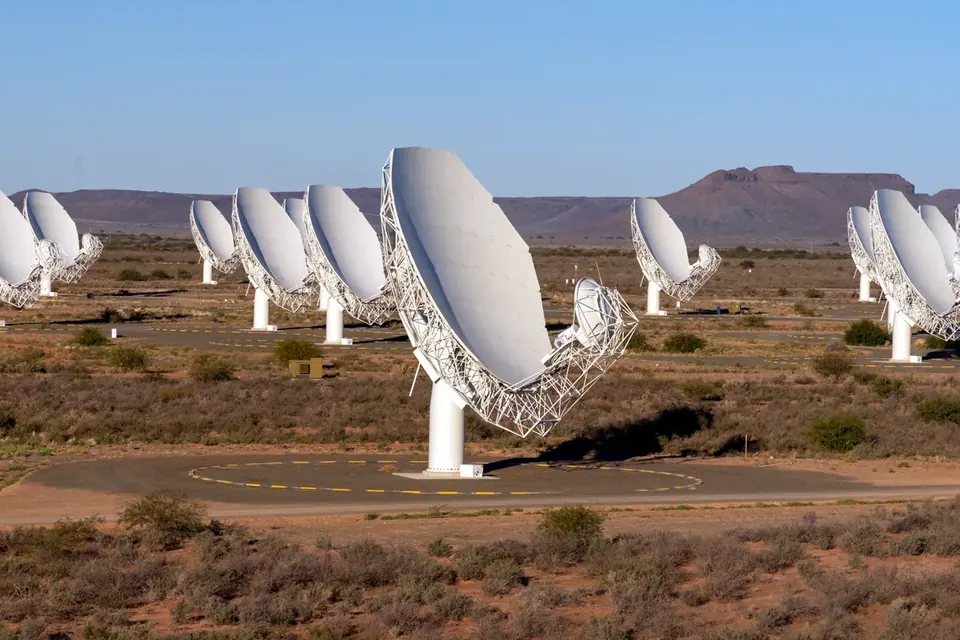
- The Square Kilometre Array: how a telescope on two continents is built and run
An explainer on the Square Kilometre Array: the SKA Observatory as an intergovernmental organisation, its telescopes in Australia and South Africa, its data challenge and its links to development goals.