Research and innovation in agri-food systems: an explainer
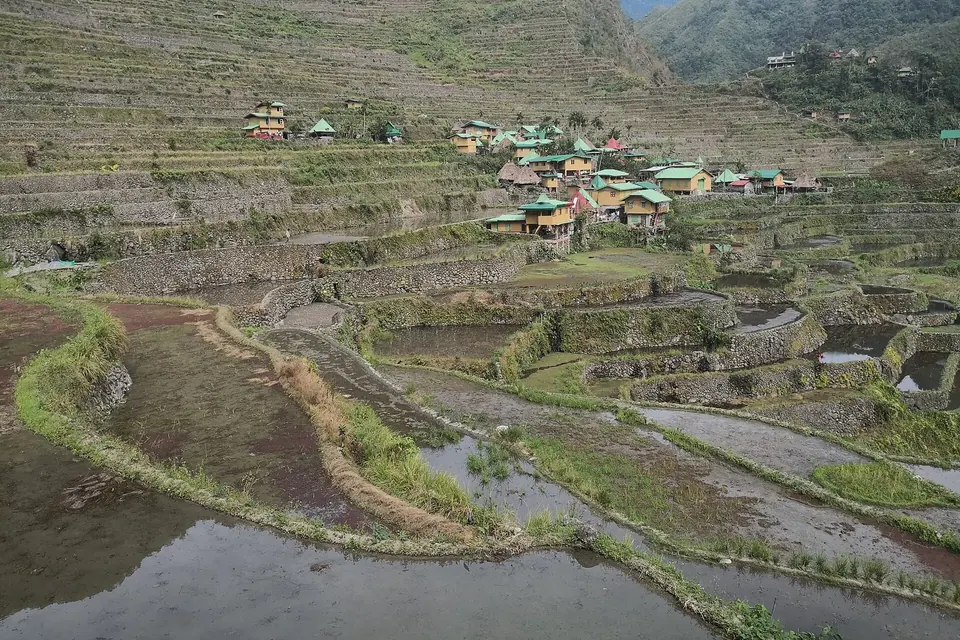
A "food system" covers everything from seeds and soil to processing, trade, retail, diets and waste. Research on any one part of it has effects on the others, which is why the policy conversation has shifted from "agricultural research" to research and innovation across agri-food systems as a whole.
The scale of the challenge
Two sets of numbers frame most discussions:
- Hunger. The State of Food Security and Nutrition in the World 2025 report, published by FAO with IFAD, UNICEF, WFP and WHO, estimates that around 8.2% of the world's population, roughly 673 million people, faced chronic hunger in 2024, within a range that reaches about 720 million. The global rate has eased slightly since 2022, but hunger is rising in much of Africa.
- Emissions. A study published in Nature Food in 2021 estimated that food systems were responsible for about a third of global human-caused greenhouse gas emissions in 2015, counting land use, production, processing, transport, packaging and waste.
Feeding more people, better, while cutting emissions, conserving water and protecting biodiversity is a problem with many objectives at once. Research cannot resolve the political choices involved, but it widens the set of options.
Which SDG targets are concerned
| Target | Focus |
|---|---|
| 2.3 | Double the agricultural productivity and incomes of small-scale food producers |
| 2.4 | Sustainable food production systems and resilient agricultural practices |
| 2.5 | Maintain the genetic diversity of seeds, cultivated plants and farmed and domesticated animals |
| 2.a | Increase investment in rural infrastructure, agricultural research and extension services, and technology development |
| 12.3 | Halve per capita global food waste at retail and consumer levels and reduce food losses along supply chains |
| 13, 14, 15 | Climate, oceans and land, through emissions, fisheries and land use |
Target 2.a is the only one that names agricultural research explicitly. Its indicator compares government spending on agriculture to agriculture's share of the economy, a reminder that public research and extension budgets are part of the picture.
How international agricultural research is organised
CGIAR
CGIAR, founded in 1971, is a global partnership of research centres working on food security in low- and middle-income countries. Its centres include the International Rice Research Institute (IRRI) in the Philippines and the International Maize and Wheat Improvement Center (CIMMYT) in Mexico, whose plant breeding work was central to the high-yielding rice and wheat varieties of the Green Revolution. CGIAR centres also hold some of the world's largest collections of crop genetic resources in trust.
Genetic resources
The International Treaty on Plant Genetic Resources for Food and Agriculture, adopted in 2001 and in force since 2004, created a multilateral system for sharing the genetic material of major crops and forages for research and breeding, with benefit-sharing rules. The Svalbard Global Seed Vault in Norway, opened in 2008, stores backup copies of seed samples held by gene banks worldwide.
National systems and extension
Most agricultural research is national: public research institutes, universities and, increasingly, private companies. Extension services, which help farmers test and adopt new practices, are the link between research and the field. Where they are underfunded, research results stay on the shelf.
European programmes
In the EU, food systems research is funded mainly through Cluster 6 of Horizon Europe ("Food, bioeconomy, natural resources, agriculture and environment"), and framed by the FOOD 2030 policy, which takes a systems approach linking nutrition, climate, circularity and communities.
Main areas of research and innovation today
- Crop and livestock improvement: breeding for yield, heat and drought tolerance, disease resistance and nutritional quality, using conventional methods, genomic selection and, where regulation allows, gene editing.
- Soil and water: soil health, nutrient management to reduce fertiliser losses, irrigation efficiency.
- Agroecology and diversified systems: intercropping, agroforestry, integrated pest management and practices that rely more on ecological processes and less on external inputs.
- Digital agriculture: remote sensing, weather and market information delivered by mobile phone, precision application of inputs. Satellite data are discussed in the explainer on space and the SDGs.
- Loss and waste: storage, cold chains and processing that reduce post-harvest losses, which can be large in hot climates.
- Nutrition and diets: biofortified crops (bred for higher micronutrient content), alternative proteins and research on how food environments shape diets.
- Aquatic foods: sustainable aquaculture and fisheries management.
Trade-offs and debates
Agri-food research is contested territory, and an honest overview has to say so:
- Productivity versus environment. Higher yields can spare land from conversion, but intensification can also increase pollution and biodiversity loss. Which effect dominates depends on context and policy.
- Technology choices. Gene editing, synthetic fertilisers and digital platforms have strong advocates and critics. Regulation differs between countries.
- Who sets the agenda. Smallholder farmers, women farmers and Indigenous communities hold knowledge that formal research has often ignored. Participatory research tries to correct this.
- Public and private roles. Private investment in agricultural research has grown, but it concentrates on commercially attractive crops and markets. Public research remains essential for "orphan" crops and poorer farmers.
The UN Food Systems Summit of 2021 and its follow-up process encouraged countries to develop national pathways for food systems transformation, which give a sense of how each government sees these trade-offs.
Related explainer: how the EU and the UN work together on the SDGs.
 Cooperation and skills
How the EU and the UN work together
The EU's status at the UN, Team Europe and Global Gateway, SDG reporting, research cooperation and the tensions worth knowing.
 Research infrastructures
LifeWatch ERIC and biodiversity data
How a European research consortium gives ecologists shared data, models and virtual labs, and what that means for SDGs 14 and 15.
 Health and data
Genomics in public health
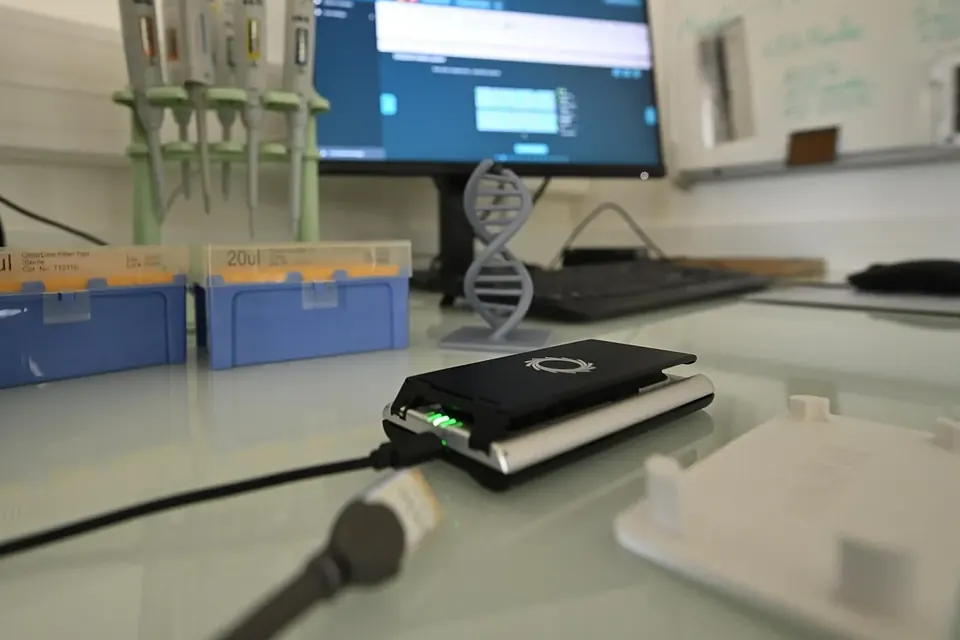
Sequencing for pathogen surveillance, rare disease diagnosis and newborn screening, and the equity questions WHO has raised.