GISRS: the WHO laboratory network that picks the flu vaccine strains every year
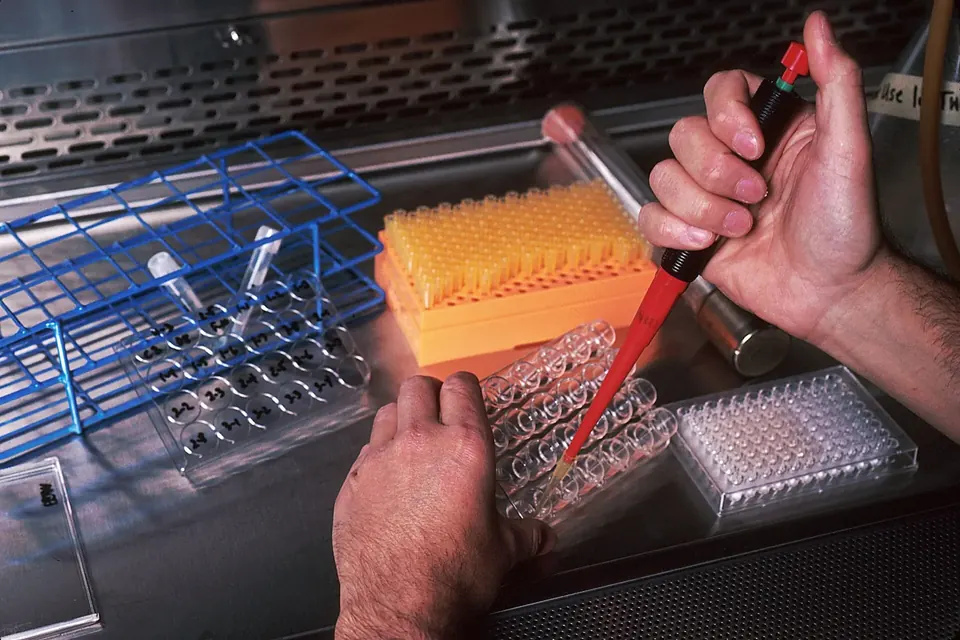
Every February and every September, a small group of experts meets under the auspices of the World Health Organization and publishes a short list of influenza viruses. Within months, manufacturers around the world are producing vaccines built on those strains. The recommendation rests on a laboratory network that has been running without interruption since 1952, and on a hard-won agreement about who shares viruses and who benefits from them.
A network older than most UN programmes
The Global Influenza Surveillance and Response System, known as GISRS, was set up four years after WHO itself. According to WHO's description of the system, it currently comprises 166 institutions across 136 WHO Member States. Its mission has three parts: a global mechanism of surveillance, preparedness and response for seasonal, pandemic and zoonotic influenza; a platform for monitoring the disease; and an alert system for new influenza viruses and other respiratory pathogens.
Influenza needs this kind of permanent watch because the virus keeps changing. Small mutations accumulate from season to season, enough for the immune system to recognise last year's virus less well, which is why the seasonal vaccine has to be updated regularly. Occasionally a virus circulating in birds or pigs acquires the ability to infect people, and if it spreads easily from person to person the result can be a pandemic, as in 1957, 1968 and 2009.
Who does what
GISRS is organised in layers, each with a defined role.
- National influenza centres. Designated by their national health authorities and recognised by WHO, they are the base of the system. They receive specimens from patients, mostly through sentinel clinics and hospitals, identify the viruses, report results and send a representative selection of samples to the collaborating centres for detailed analysis.
- WHO collaborating centres. WHO lists seven of them: five working on human influenza, in Melbourne, Beijing, Tokyo, London and Atlanta, and two specialised in influenza in animals and at the animal-human interface, in Memphis and in Koltsovo, near Novosibirsk. They characterise viruses in depth, compare them with the strains in current vaccines and prepare candidate vaccine viruses.
- Essential regulatory laboratories. Four laboratories attached to national medicines regulators develop the reagents that manufacturers and regulators need to check how much antigen a vaccine contains.
- H5 reference laboratories. A separate group supports the diagnosis of avian influenza A(H5) infections, the family that includes the H5N1 viruses that have spread widely in birds, and in some mammals, in recent years.
The model resembles other infrastructures we have described, such as GBIF for biodiversity records: national nodes that collect, international hubs that analyse, and shared standards that make the pieces fit together.
From a swab to a vaccine recommendation
Seasonal influenza peaks at different times in the two hemispheres, so WHO holds two vaccine composition consultations each year. The one in February prepares the northern hemisphere's following winter; the one in September prepares the southern hemisphere's. In 2026, the February meeting produced the recommendation for the 2026-2027 northern season and the September meeting the one for the 2027 southern season, both published on WHO's GISRS page.
Before each meeting, the collaborating centres pool months of data. They look at which virus subtypes and genetic groups are spreading, how well antibodies raised by current vaccines recognise them in laboratory tests, and which variants seem to be gaining ground. The experts then recommend one virus for each component of the vaccine, along with candidate vaccine viruses that grow well enough to be used in production. Manufacturers and national regulators take over from there, which is why the decision has to be made several months before the season starts.
The seasonal flu vaccine is an annual forecast. Its accuracy depends on how many countries send samples, how quickly, and how representative those samples are of what is actually circulating.
Data shared every week
Laboratory results are not only used twice a year. Countries report weekly to two global databases that WHO now hosts on a common platform called RespiMart: FluNet, for virological data such as the number of specimens tested and the viruses found, and FluID, for epidemiological data such as consultations for influenza-like illness and hospitalisations for severe acute respiratory infection. Since the COVID-19 pandemic, the same platform also carries surveillance data on SARS-CoV-2 and respiratory syncytial virus, and many national influenza centres test for them as well. A network built for one virus has become a general-purpose respiratory surveillance system, an evolution we discuss more broadly in our explainer on health data and the SDGs.
Genetic sequencing has changed the work in depth. Comparing virus genomes shows how lineages spread between regions and helps decide which samples deserve full laboratory characterisation. Our guide to genomics in public health explains how this kind of genomic surveillance works in general.
The hard part: sharing viruses fairly
A surveillance network only works if countries send their viruses. In 2007, Indonesia, then one of the countries most affected by human cases of H5N1, suspended the sharing of its virus samples. Its argument was simple: samples provided free of charge by developing countries were being used to make vaccines that those same countries could not afford to buy in a pandemic.
The dispute led to four years of negotiations and, in 2011, to the adoption by the World Health Assembly of the Pandemic Influenza Preparedness Framework, usually called the PIP Framework. It covers influenza viruses with pandemic potential, not seasonal strains, and puts virus sharing and benefit sharing on an equal footing. Laboratories in the network share such viruses under standard terms; manufacturers that use GISRS make an annual partnership contribution that funds preparedness in lower-income countries, and sign agreements committing them to make a share of their pandemic production of vaccines, antivirals or other products available to WHO.
The framework has become a reference point in wider debates on access to pathogens and benefit sharing, including the international negotiations on pandemic prevention, preparedness and response that followed COVID-19. It also illustrates a tension discussed in our explainer on open science: openness of samples and data is easier to sustain when the countries that provide them can see what they get in return.
What GISRS does for the SDGs
- SDG 3, good health. Target 3.3 calls for combating communicable diseases, and target 3.d for strengthening the capacity of all countries, in particular developing countries, for early warning, risk reduction and management of national and global health risks. GISRS is one of the oldest working examples of that capacity.
- SDG 17, partnerships. No country can forecast influenza alone. The network pools specimens, expertise and data across income groups, and the PIP Framework turns that pooling into a formal partnership with industry.
- SDG 9, research and infrastructure. The national influenza centres are, for many countries, the backbone of their public health laboratory capacity, used well beyond influenza.
The limits
Coverage remains uneven. Countries with few sentinel sites or irregular shipments contribute fewer samples, so the picture used for vaccine decisions is sharper in some regions than in others. The forecast can also miss: when a variant that was rare at the time of the meeting becomes dominant, the vaccine matches the season less well, and protection drops. Finally, surveillance does not guarantee access. The 2009 pandemic showed that countries able to place advance orders received vaccines first, the very imbalance the PIP Framework tries to correct for the next pandemic.
Seventy years after its creation, GISRS shows what a durable research infrastructure for global health looks like: modest laboratories in every region, a handful of expert hubs, a fixed annual calendar, and rules on sharing that every participant has accepted.
Sources and method
- World Health Organization, Global Influenza Surveillance and Response System (GISRS) (date of creation, mission, number of institutions and Member States, FluNet and FluID, 2026 vaccine composition meetings), consulted on 12 November 2026.
- World Health Organization, WHO Collaborating Centres and Essential Regulatory Laboratories (seven collaborating centres and four essential regulatory laboratories, with their locations), consulted on 12 November 2026.
- World Health Assembly, Pandemic Influenza Preparedness Framework for the sharing of influenza viruses and access to vaccines and other benefits (2011). UN Statistics Division, SDG indicator framework (targets 3.3 and 3.d).
 Health and data
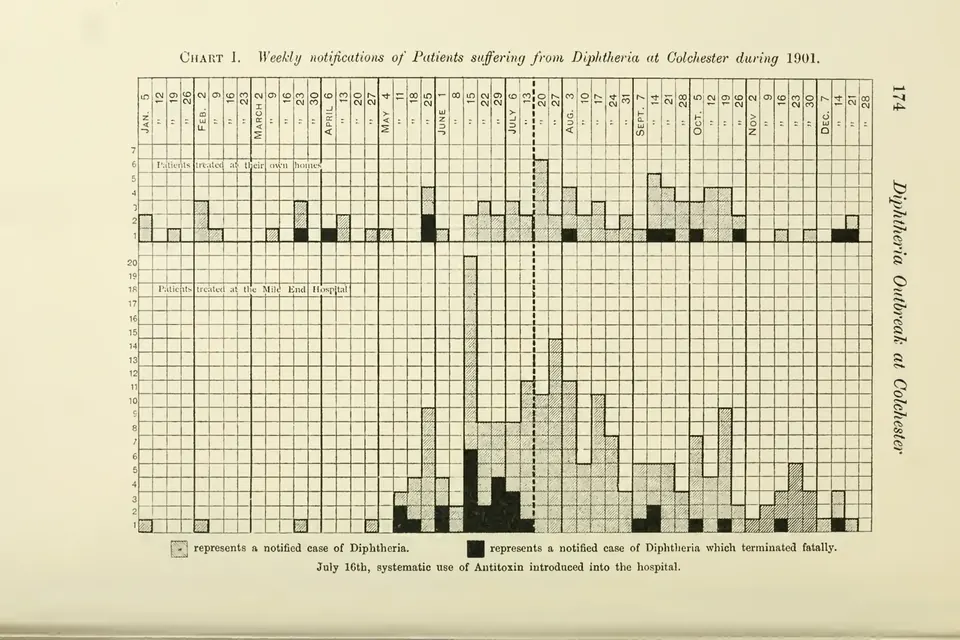
Health data and the SDGs
What SDG 3 asks countries to measure, where the numbers come from, and why so many health systems still lack timely data.
 Health and data
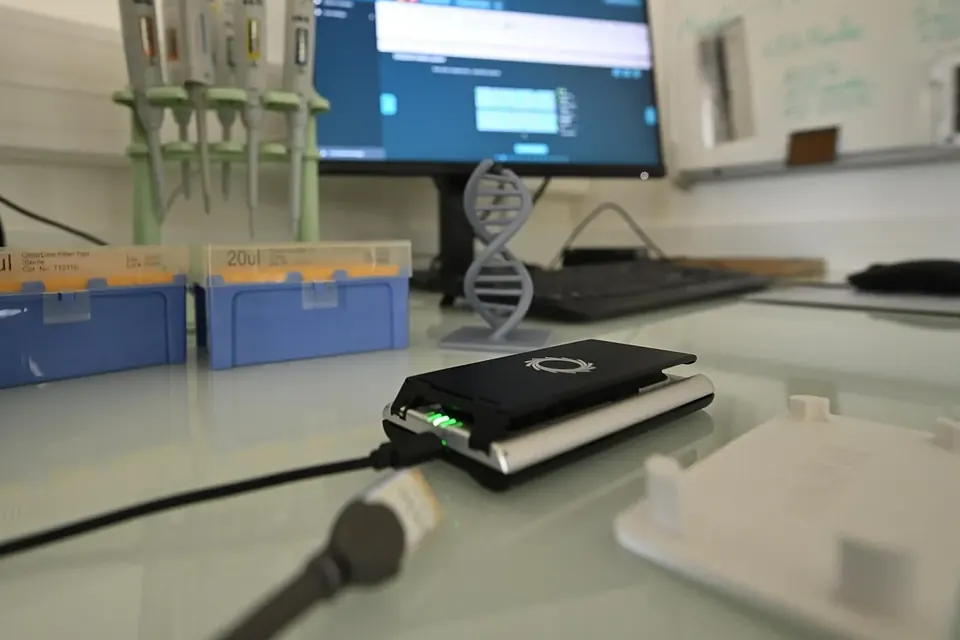
Genomics in public health
Sequencing for pathogen surveillance, rare disease diagnosis and newborn screening, and the equity questions WHO has raised.
 Cooperation and skills
Open science and the SDGs
The 2021 UNESCO Recommendation, its seven areas of action, FAIR and CARE data, and who pays for openness.