Women and inclusive innovation: what the data show
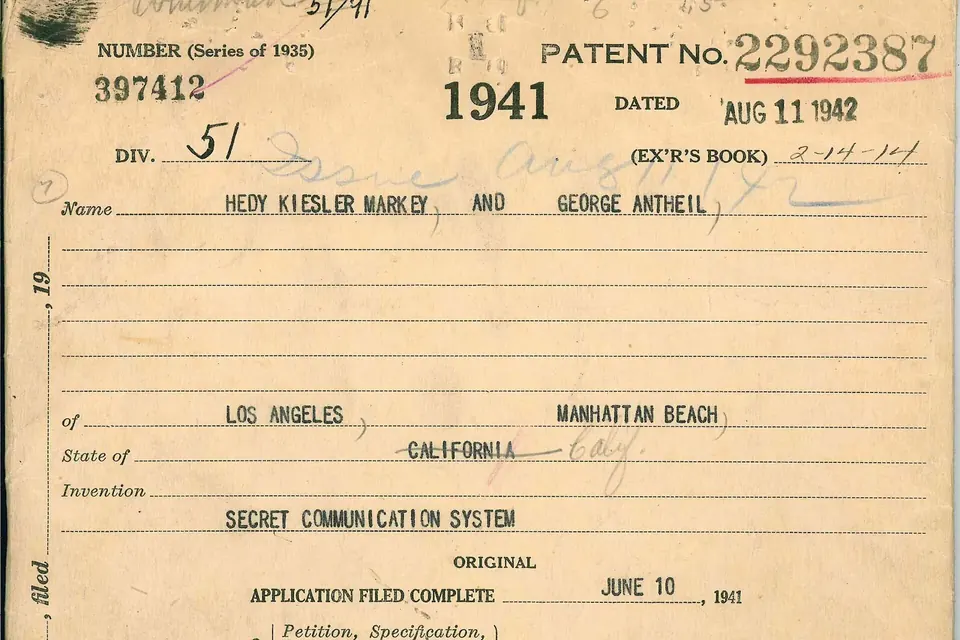
Innovation is supposed to solve problems for everyone. When the people who do research, file patents and fund start-ups are drawn from a narrow group, the problems that get solved, and the way they are solved, narrow too. The data on women's participation show steady but slow progress.
Two numbers to start with
Researchers. According to the UNESCO Science Report 2021, women made up about one in three researchers worldwide. The share varies widely by country and by field: it is higher in life sciences and health, and much lower in engineering, physics and computing.
Inventors. The World Intellectual Property Organization tracks the gender of inventors named on international patent applications filed under the Patent Cooperation Treaty (PCT). In its PCT Yearly Review 2025, WIPO reports that women accounted for 18% of all inventors listed in PCT applications in 2024, up 6.4 percentage points since 2010. At that pace, parity is decades away.
The gap between those two figures is itself informative. Women are under-represented among researchers, and further under-represented in the step from research to protected, commercialised invention.
Where the gap opens
Studies of women in science and technology describe a "leaky pipeline", although the image is contested because it suggests a single cause. The losses occur at several points:
- Subject choice. Gaps in engineering and computing open well before university.
- Early career. Short-term contracts and mobility expectations in research coincide with the years when many people start families.
- Seniority. Women's share typically falls at each step from doctoral graduate to professor or research director. The European Commission's She Figures series documents this pattern for Europe.
- Commercialisation. Patenting, spin-offs and venture funding involve networks and gatekeepers where women remain a minority.
Why it matters for the results, not only for fairness
Equal opportunity is reason enough. But there is also a quality argument: who does research affects what is studied and what is missed. The "gendered innovations" approach, developed by researchers at Stanford University with support from the European Commission, collects case studies where analysing sex and gender changed the science. Two well-documented examples:
- Drug dosing. In 2013 the US Food and Drug Administration lowered the recommended starting dose of the sleep medication zolpidem for women, after data showed that women clear the drug more slowly and were at higher risk of next-morning impairment.
- Vehicle safety. Crash-test dummies were long based on an average male body. Research on injury risk for women and for different body sizes has pushed for more representative test models.
The point is not that women researchers automatically produce different science, but that diverse teams and deliberate sex and gender analysis reduce blind spots. The Gendered Innovations site describes the methods.
What the SDGs say
| Target | Text, in brief |
|---|---|
| 5.5 | Ensure women's full and effective participation and equal opportunities for leadership at all levels of decision-making in political, economic and public life |
| 5.b | Enhance the use of enabling technology, in particular ICT, to promote the empowerment of women |
| 9.5 | Enhance scientific research and upgrade technological capabilities, including by increasing the number of research and development workers |
| 4.5 and 4.4 | Eliminate gender disparities in education, and increase the number of people with relevant technical skills |
The official indicators for these targets are tracked in the UN SDG database. Indicators on researchers by sex are collected by the UNESCO Institute for Statistics.
Measures with evidence behind them
No single policy closes the gap. Approaches that research funders and institutions have adopted, and which have been evaluated to some degree, include:
- Gender equality plans as an eligibility condition. Since 2022, public bodies, universities and research organisations applying to the EU's Horizon Europe programme must have a gender equality plan meeting minimum requirements.
- Integrating sex and gender analysis into research content. Horizon Europe also asks applicants to consider the gender dimension of their research where relevant.
- Transparent recruitment and promotion. Published criteria, diverse panels and monitoring of outcomes by sex.
- Career structures compatible with care. Parental leave that does not stop the clock on fixed-term contracts, extensions of eligibility windows for grants, and support for dual-career couples.
- Mentoring and sponsorship. Particularly at the transition to independent research and in commercialisation, where networks matter.
- Data. Regular, published statistics by sex at each career stage, so that progress can be measured rather than assumed.
Inclusive innovation is wider than gender
"Inclusive innovation" usually means innovation that involves, and benefits, groups that are often left out: women, people with disabilities, low-income users, rural communities, older people. The same logic applies: products designed with and for these groups tend to work better for everyone. Accessibility features first built for disabled users, such as captions or voice control, are now everyday tools. Gender is the dimension with the most data, which is why it is often used as the test case.
Related explainers: assistive technology at work and digital skills for the SDGs.
 Inclusion and rights
Assistive technology at work
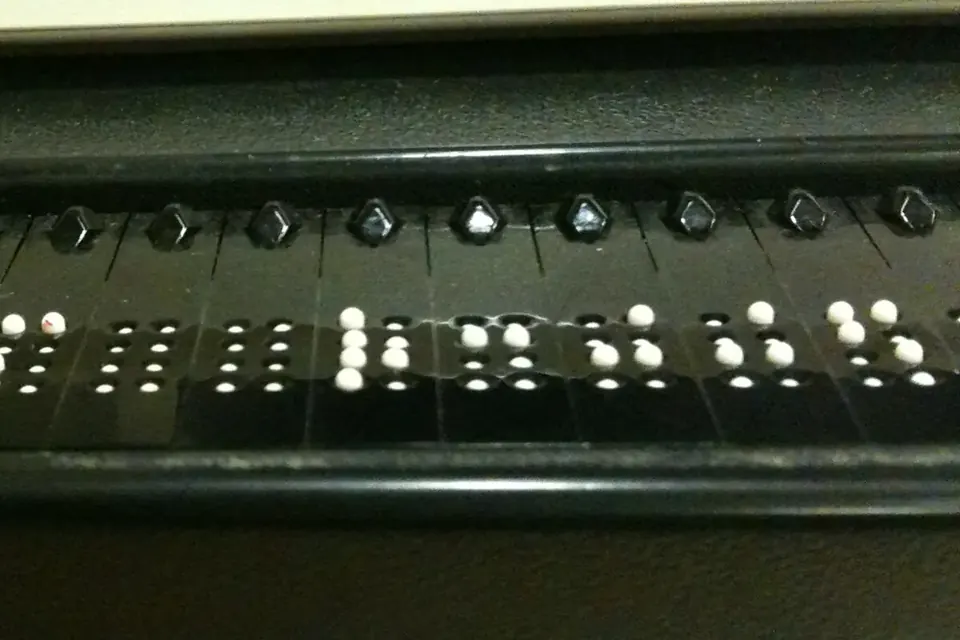
Screen readers, braille displays and workplace adjustments: what exists, who has access, and the legal duties behind it.
 Cooperation and skills
Digital and high-tech skills for the SDGs
What indicator 4.4.1 measures, the connectivity gap, frameworks such as DigComp, and what tends to work in building skills.
 Cooperation and skills
How the EU and the UN work together
The EU's status at the UN, Team Europe and Global Gateway, SDG reporting, research cooperation and the tensions worth knowing.