Digital and high-tech skills for the SDGs: how they are defined and measured
Connectivity without skills does little. The 2030 Agenda recognises this in target 4.4, which calls for a substantial increase in the number of young people and adults with relevant skills for employment, decent jobs and entrepreneurship. Digital skills are now central to that target, and to the "high-tech" capacities that countries need to use science and technology for development.
Two gaps: access and ability
The first gap is access. The International Telecommunication Union's Facts and Figures 2025 estimates that about 6 billion people, roughly three-quarters of the world's population, use the internet, while about 2.2 billion remain offline. Some 96% of those offline live in low- and middle-income countries. Quality and affordability of access also differ widely.
The second gap is ability: the skills to use digital tools productively and safely. It exists in every country, including those with near-universal connectivity, and it tends to follow lines of age, education, income, gender and disability.
What indicator 4.4.1 measures
The official SDG indicator is 4.4.1, the proportion of youth and adults with information and communications technology (ICT) skills, by type of skill. It is based on household surveys that ask whether people have carried out specific activities in a recent period, for example:
- copying or moving a file or folder;
- using copy and paste within a document;
- sending an email with an attachment;
- using basic arithmetic formulas in a spreadsheet;
- connecting and installing new devices;
- finding, downloading, installing and configuring software;
- creating electronic presentations;
- transferring files between a computer and other devices;
- writing a computer program using a specialised programming language.
The method has limits. It records self-reported activities rather than tested competence, it is skewed towards computer use when many people go online only by smartphone, and it says little about critical skills such as judging the reliability of information. Its strength is comparability across countries. ITU, which compiles the indicator, documents the definitions in its ICT statistics pages.
Competence frameworks
To design training and assessment, governments use broader frameworks. The best known in Europe is the Digital Competence Framework for Citizens (DigComp), developed by the European Commission's Joint Research Centre. Version 2.2, published in 2022, organises digital competence into five areas:
| Area | Examples |
|---|---|
| Information and data literacy | Searching, evaluating and managing information |
| Communication and collaboration | Interacting, sharing, engaging in citizenship through digital technologies, netiquette |
| Digital content creation | Creating and editing content, copyright and licences, programming |
| Safety | Protecting devices, personal data, health and the environment |
| Problem solving | Solving technical problems, identifying needs, creative use of technology |
DigComp 2.2 added examples relating to artificial intelligence, remote work and misinformation. UNESCO has developed related frameworks for teachers and for AI competencies.
Targets in Europe
The EU's Digital Decade policy programme sets 2030 targets that include at least 80% of adults aged 16 to 74 having at least basic digital skills, and 20 million employed ICT specialists, with convergence between women and men. Eurostat measures progress with a digital skills indicator based on DigComp.
From basic to "high-tech" skills
Basic skills let people participate. Advanced skills let a country build and adapt technology for its own needs. For the SDGs, several advanced skill sets are particularly relevant:
- Data science and statistics, to produce and analyse the data that SDG monitoring depends on (target 17.18). See health data and the SDGs.
- Geospatial analysis, to use satellite and location data, discussed in space and the SDGs.
- Cybersecurity, as public services, payments and identity systems move online.
- Software engineering and open source, to maintain digital public infrastructure without dependence on a single vendor.
- Artificial intelligence, both to build systems and to evaluate their risks.
- Research computing, needed to take part in data-intensive science such as genomics or radio astronomy.
Target 9.5 on research capacity and target 17.6 on cooperation in science and technology connect these skills to the wider science agenda.
Science engagement and new media
Digital skills also shape how people relate to science. Online platforms, citizen science projects and immersive formats such as web-based virtual reality can open research to wider audiences, but they assume devices, connectivity and the skills to use them. Engagement efforts that reach only the already connected can widen gaps rather than close them.
What tends to work
- Teaching through real tasks. Training linked to work, services or study tends to stick better than abstract courses.
- Reaching the excluded. Community centres, libraries, mobile-first content and local languages.
- Training teachers. Teachers' own digital competence is a bottleneck in many education systems.
- Accessible design. Skills programmes and software that work for people with disabilities; see assistive technology at work.
- Measuring outcomes. Assessing what people can actually do, not just course completion.
 Inclusion and rights
Women and inclusive innovation
Women's share of researchers and patent inventors, why the gap matters for results, and the measures with evidence behind them.
 Inclusion and rights
Assistive technology at work
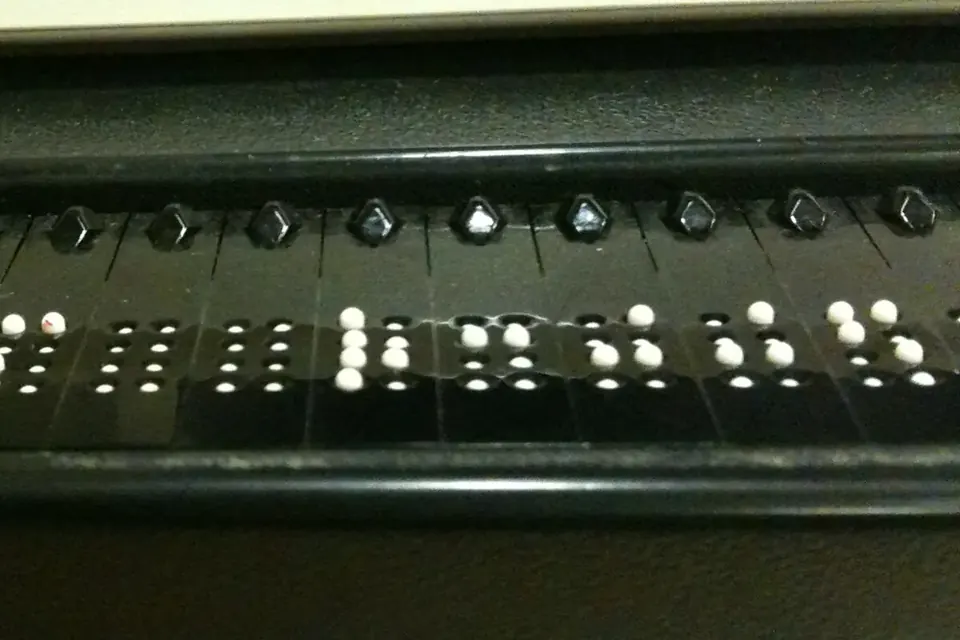
Screen readers, braille displays and workplace adjustments: what exists, who has access, and the legal duties behind it.
 Research infrastructures
Space technology and the SDGs
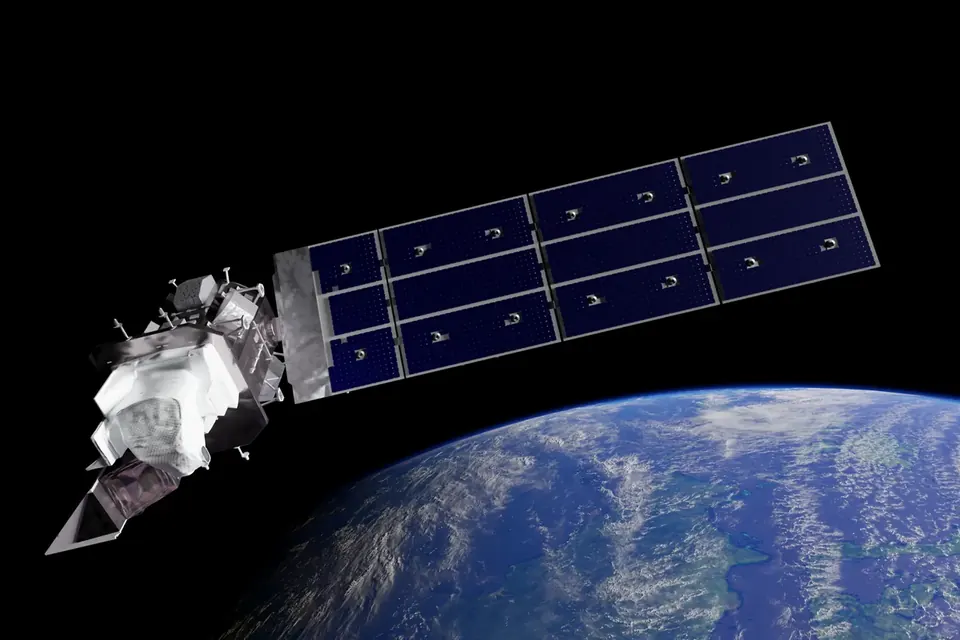
Earth observation, navigation and communications satellites, the UN framework behind them, and the risks of crowded orbits.